 The Sierra Nevada Research Institute (SNRI) was established in 2007 as the first Organized Research Unit (ORU) at UC Merced.
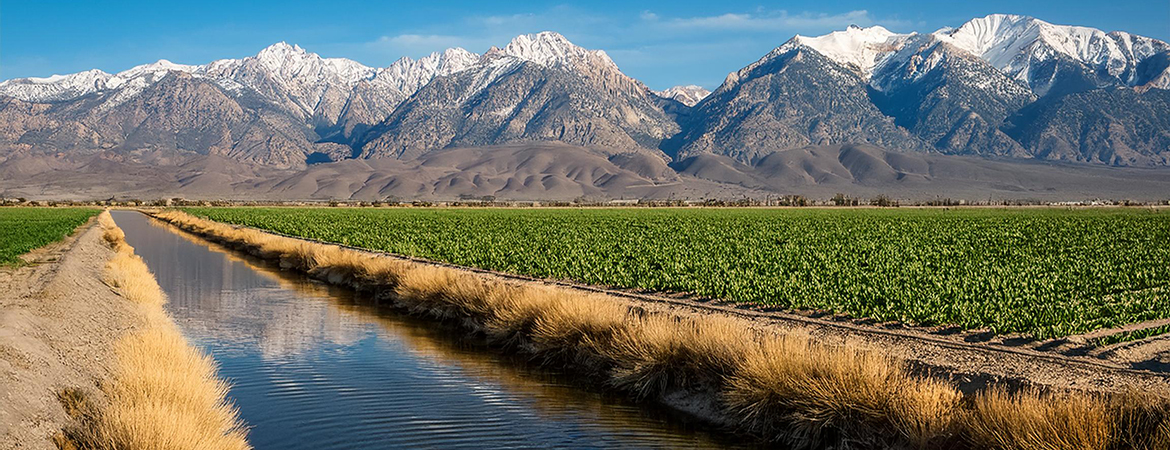
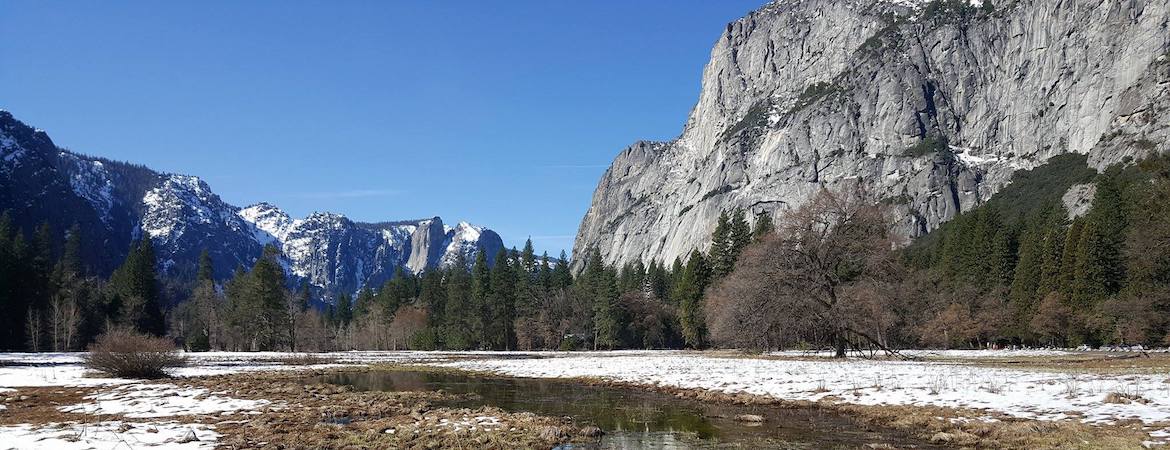
The San Joaquin Valley and the Sierra Nevada regions of California are legendary for their vast natural resources, physical and biological diversity and cultural heritage. These regions lead the nation in agricultural production and in several natural resource and recreation industries. However, rapid population growth, competition for natural resources, air, water and soil pollution, climate change and competing land uses pose serious threats to the sustainability of these regions.
Faculty, researchers and students at the Sierra Nevada Research Institute (SNRI) conduct basic and applied research on these issues, using the San Joaquin Valley and the Sierra Nevada as their "outdoor laboratory." Currently 46 UC Merced faculty are members of SNRI.

Recently, more than 150 students at 10 high schools in Los Angeles, New York City and Washington, D.C. completed Climate Justice, a UC Merced course , through a unique partnership between the...

Pictures accompanying Professor John Abatzoglou's presentation on the 2025 fire season were blurry. That was intentional, he said, because so much about wildfire is unpredictable. "There's a lot that...
Faculty members at UC Merced are taking the lead on four Multicampus Research Program Initiatives (MRPI), working with colleagues around the University of California system to address challenges...